
Male Breast Reduction
Male Breast Reduction Surgery Chicago

MALE BREAST REDUCTION
Gynecomastia is a medical term that originates from the Greek words for “women-like breasts.” This condition is far more common than many realize. Gynecomastia affects an estimated 40 to 60 percent of the male population. It may affect only one breast or both. Certain drugs such as anabolic steroids, alcohol, marijuana, as well as medications containing estrogen may cause enlarged male breasts. Certain medical conditions including cancer and impaired liver function may also be a contributing factor. It is widely accepted that a large percentage of cases derive from unknown sources.
Men of any age who are healthy and emotionally stable are considered good candidates for male breast reduction surgery. The best candidates are those who have firm, elastic skin that will reshape to the body’s new contours. In some instances, surgery may be discouraged for overweight men who have not tried an exercise and diet regimen prior to surgery.
We offer gynecomastia surgery in Chicago, gynecomastia treatment, gynecomastia plastic surgery, male breast surgery, male breast reduction surgery in our best plastic surgery clinic equipped with gynecomastia surgeons, male breast reduction surgeons in in Chicago, Barrington, Oak Brook, Orland Park.
We also provide breast explant surgery in Chicago.We also provide breast explant surgery in Chicago.
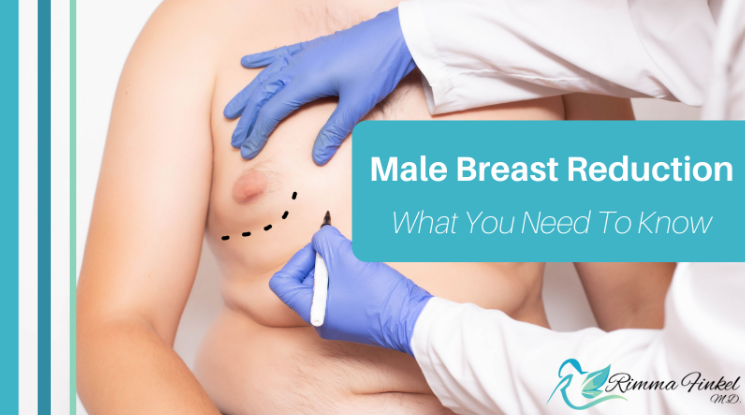
Enlarged male breasts can be reduced by liposuction and/or by cutting out excess glandular tissue. The procedure for male breast reduction takes an average of two hours, usually on an outpatient basis, using general or local anesthesia. If excessive glandular tissue, fat and skin are present, it will be removed.
Surgery may be performed alone or in conjunction with lipoplasty, where the suction device will typically be inserted through the existing incisions. For the removal of excess fatty tissue alone, liposuction may be all that is needed; in such cases, scars will be small and barely visible.
Results are permanent, although subsequent obesity can create a gynecomastia-like effect. Some of the benefits of surgery include a firmer, flatter, more contoured chest that may give the male patient a boost in self-confidence. There is little downtime, and you may return to work within one week usually, unless you are involved in strenuous activities.
There will be scarring around the nipple of the breast (areola) from this procedure but it will fade over a period of time and be less visible. There will be some post-operative bruising, swelling, and burning sensation that may occur. To assist with the healing process, the patient will wear an elastic pressure garment for 3-6 weeks and must avoid exposing scarred areas to the sun for at least six months.
Other considerations include temporary numbness or a lack of sensation that could last up to a year. Infrequent complications may include infection, skin damage, fluid accumulation, bleeding, and scarring or pigment changes. While rare, post-operative asymmetry is always a possibility. A second procedure may be needed to remove additional tissue.
Dr. Dhaval Patel is an accomplished Double Board Certified Aesthetic & Reconstructive Plastic Surgeon, who is skillful enough to restore your youthfulness which has been lost with the effects of aging & gravity. He is the man behind the famous Chicago Institute of Plastic Surgery.

Gallery
Photos
Explore Our before & after Gallery
Recovery timeline
Male breast reduction recovery timelines vary, with most significant progress in the first 1-2 weeks, allowing a return to work and light activity while wearing a compression vest. Full recovery takes longer, around 3-6 months, to fully resolve swelling and bruising and see final results. Key steps include pain management, wearing a compression garment, avoiding strenuous activity, and focusing on rest and a healthy lifestyle.
Immediate Post-Op (First Few Days)
- Pain & Swelling: Expect pain, tenderness, swelling, and bruising, which can be managed with medication.
- Compression Vest: Wear a compression vest to control swelling and help the skin retract.
- Activity: Limit activity to light walking and rest. Avoid strenuous activity, heavy lifting, and heat exposure.
- Showering: You may be permitted to shower after the first day, but avoid baths, hot tubs, and saunas.
- Sleep: Sleep with your upper body elevated for the first week.
1-2 Weeks Post-Op
- Return to Work: Most patients can return to work during this period, depending on their job’s demands.
- Activity Level: Continue to avoid strenuous activity and heavy lifting.
2-6 Weeks Post-Op
- Resuming Exercise: Patients may be able to resume light exercise and more normal physical activities after this period, but heavy activity is still restricted.
- Decreased Swelling: Swelling and bruising will gradually subside.
2-6 Weeks Post-Op
- Resuming Exercise: Patients may be able to resume light exercise and more normal physical activities after this period, but heavy activity is still restricted.
- Decreased Swelling: Swelling and bruising will gradually subside.
1-6 Months Post-Op
- Final Results: Significant healing continues, with bruising and swelling resolving completely over several months.
- Full Recovery: You can typically resume most activities, including strenuous exercise, after this time frame, as advised by your surgeon.
Success Stories
More than 90+ five-star reviews on Google
Trustindex verifies that the original source of the review is Google. Kali is literally the best. Sweet, accommodating, and always a pleasure. I’m on my second visit with her, and will be back for a third.! :-)Posted on GoogleTrustindex verifies that the original source of the review is Google. The kindest and the best doctor ever highly recommendedPosted on GoogleTrustindex verifies that the original source of the review is Google. Great place- very professionalPosted on GoogleTrustindex verifies that the original source of the review is Google. Everyone was nice and professionalPosted on GoogleTrustindex verifies that the original source of the review is Google. TLDR: 1. Everyone is super nice 2. They really CARE about you, they’re not like other people that are obviously just money hungry 3. Procedure itself was quick, but not rushed 4. The place itself is beautiful and incredibly professional looking 5. Amazing results, highly recommend Kali! Could not possibly have asked for a better experience!! Everyone was incredibly sweet and welcoming, from the people at the front desk to the nurse herself. Kali was an absolute pleasure to work with. Every time I see her she is just as happy and sweet as ever. She made me feel incredibly comfortable there. The way she spoke, it never felt like she was pushing anything on me or encouraging me to do more Botox than I wanted. Also I love that she had me do a 2-week follow-up appointment!! The last lady I went to for Botox did nothing like that, so the fact that Kali wanted to see me again to make sure everything was going alright felt really nice and it really shows just how much she cares. The time spent doing the actual injections was super fast. I think we spent more time talking about it than doing it. I was amazed by how fast the appointment flew by. But it never felt like she was rushing. She was clearly taking her time and making sure she did everything right, it’s just that she has the skills to be able to do it quickly. The place itself is beautiful! Super clean and very professional looking. Both the waiting room and the exam room were absolutely gorgeous. The exam room especially felt boujee. I’m really happy with my results!!! My forehead looks so much better now. The wrinkles are basically gone, but it’s not like my face is frozen in place. I truly got exactly what I wanted. For reference, I’m 28F (with significant sunbed tanning history in my teens) and got 30 units of Botox in my forehead/between brows.Posted on GoogleTrustindex verifies that the original source of the review is Google. Kali had good knowledge and is able to provide results that are subtle yet make a huge difference in terms of enhancing your features while aiming for ideal proportions. Highly recommend!Posted on GoogleTrustindex verifies that the original source of the review is Google. Kali has great knowledge and is able to provide results that are subtle while making a huge difference in enhancing ideal facial proportions. Highly recommend!Posted on GoogleTrustindex verifies that the original source of the review is Google. I have been coming to CIP for the past year and it has always been a wonderful experience! Iv had Botox, filler and a breast augmentation. Dr Patel and Kali are amazing, so knowledgeable and patient. I will always recommend.Posted on GoogleTrustindex verifies that the original source of the review is Google. I highly recommend - Kali is amazing and always does a great job with what I need!Posted on GoogleTrustindex verifies that the original source of the review is Google. Kali is amazing! I love how she takes the time to explain and makes my skin concerns important!
have a question?
Quick answers to questions you may have
What is male breast reduction surgery?
Male breast reduction, also known as gynecomastia surgery, is a procedure that removes excess fat, glandular tissue, and sometimes skin to create a flatter, firmer, and more masculine chest contour.
Is the procedure permanent?
Yes, the results are generally long-lasting as long as the patient maintains a stable weight and avoids factors (like steroid or drug use) that can cause recurrence.
Will there be visible scars?
Incisions are typically small and placed in inconspicuous areas. With proper healing, scars are minimal and fade over time.
Are there risks involved in male breast reduction?
Risks include bleeding, infection, scarring, asymmetry, or changes in nipple sensation. Choosing a board-certified surgeon helps reduce these risks.
Am I a good candidate for male breast reduction?
Ideal candidates are healthy men with enlarged breasts that do not improve with diet or exercise. Non-smokers and those at a stable weight see the best outcomes.
Free consultation with a Plastic Surgeon
Call Dr. Patel today for a free consultation
Read More
Other considerations include temporary numbness or a lack of sensation that could last up to a year. Infrequent complications may include infection, skin damage, fluid accumulation, bleeding, and scarring or pigment changes. While rare, post-operative asymmetry is always a possibility. A second procedure may be needed to remove additional tissue.
Dr. Dhaval Patel is an accomplished Double Board Certified Aesthetic & Reconstructive Plastic Surgeon, who is skillful enough to restore your youthfulness which has been lost with the effects of aging & gravity. He is the man behind the famous Chicago Institute of Plastic Surgery.